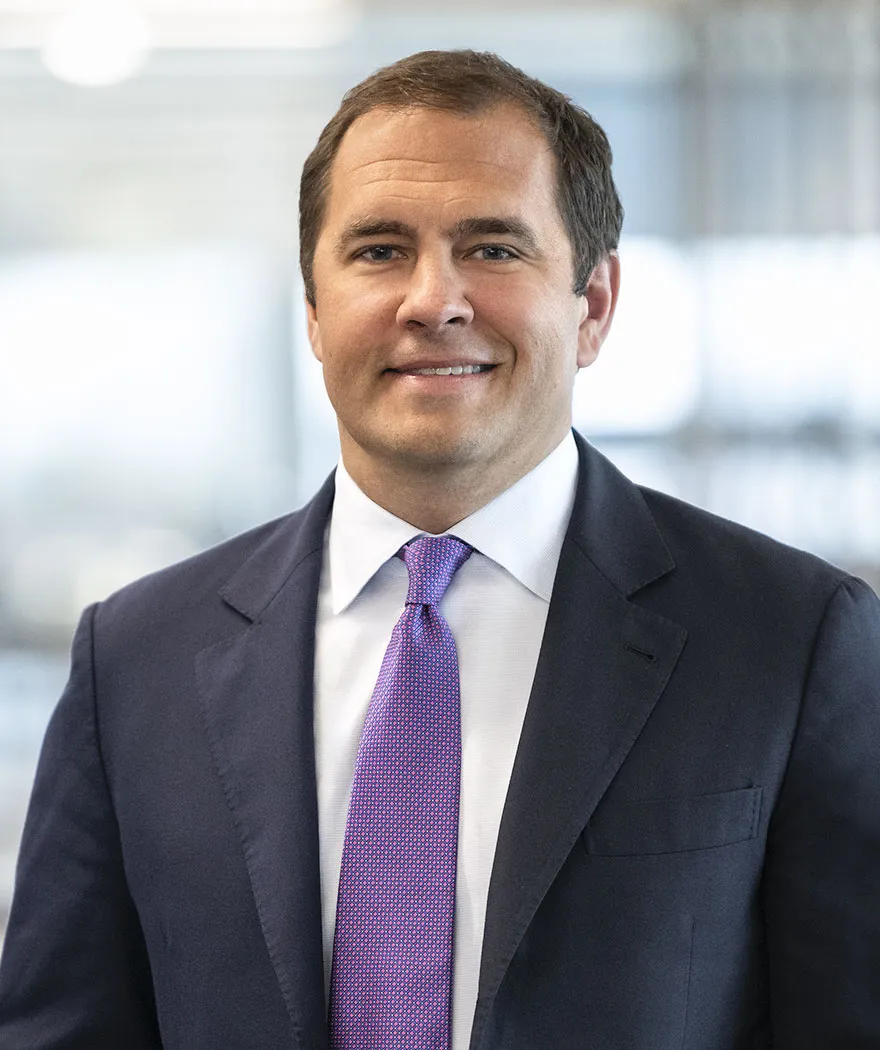
Fortress Co-CEO and Managing Partner Drew McKnight joined CNBC live from the CAIS Alternative Investment Summit in Los Angeles.
“We're incredibly bullish on AI and what it's going to do from a productivity perspective. I think where we're just a little bit more cautious is the insatiable demand for capital and the amount of capital it takes to build these data centers. We don't think every one of them is going to be a winner,” said Drew McKnight. “Particularly on the credit side, you've got winners and losers, and your winners can't pay for your losers because you don't have the asymmetric upside that you do on the equity side.”
Transcript
Scott Wapner, CNBC
Welcome back. Many asset managers here at CAIS looking for opportunities around the AI buildout. Our next guest taking a more cautious approach, at least when it comes to investing in data centers. Drew McKnight, co-CEO and Managing Partner of Fortress Investment Group, is here with us now. It's nice to see you. Why the more cautious approach?
Drew McKnight
Look, I think we're incredibly bullish on AI and what it's going to do from a productivity perspective. I think where we're just a little bit more cautious is the insatiable demand for capital and the amount of capital it takes to build these data centers. We don't think every one of them is going to be a winner. And I think particularly on the credit side, you've got winners and losers, and your winners can't pay for your losers because you don't have the asymmetric upside that you do on the equity side.
Scott Wapner, CNBC
You think there are too many investors chasing the different aspects of the AI trade now on all sides of it, whether it's the equity versus even credit.
Drew McKnight
Look, I mean, I don't think you can, there's not something that's been more disruptive in our lifetimes, and I think we are incredibly convinced of that. I think the real issue is, again, the amount of capital it takes to build these data centers. The way some of the financing structures are being built, there's an ability for the manufacturers to walk away from the contracts. And it's just incredibly risky from a financing perspective, from what we see. If you were getting asymmetric returns, asymmetric upside, that's different. From our perspective, you're getting credit upside with equity-like downside.
Scott Wapner, CNBC
Did you learn anything from what you saw with private credit and software? I mean, does that give you pause when you look at, say, concentration risk that existed in that area, that it's just morphed into the next hot thing and the hot theme of AI?
Drew McKnight
I think you've got to be mindful of your exposure to data centers in the overall fund. I think where some folks got sideways on software wasn't necessarily getting sideways with AI. It was software where they were 8x leverage, 1x interest coverage, incredibly aggressive capital structures and aggressive leverage facilities.
Scott Wapner, CNBC
Well, I mean, you only have 6% software exposure. I've heard from other managers who at first they're thinking, well, they missed it. So what was a curse now turns out to be a virtue by missing it. Tell me about the 6%. Why such a small number?
Drew McKnight
Yeah, it didn't go to 6% overnight. I think going back to 2019, 2020, we were probably as much as 25% in the software space. It was much more of a bottoms up, deal by deal perspective where as the capital structures got more aggressive, as the leverage multiples got higher, we just slowly took our exposure down over time and when in 2025, where you saw software as much as 30% or 40% of issuance, depending on how you calculate it, we were just much more cautious, not because of a top down call, but really a bottoms up, making sure the capital structures make sense for the businesses.
Scott Wapner, CNBC
What's the best opportunity you see right now?
Drew McKnight
It's a good question. Look, I think we are, where we have played in the data centers is what we call picks and shovels around data centers. We owned 30 mobile gas turbines that we actually, we bought two years ago, and we just sold those to SpaceX this summer. We had an investment in a structured equity investment in a business that sold cooling solutions for data centers. So, we've tried to be sort of data center adjacency or data center picks and shovels but not necessarily trying to pick the winners in data centers.
Scott Wapner, CNBC
Let me ask you general questions about kind of where we are in the market itself. As everybody looks at interest rates backing up, what's your thought about what you've seen, not only here, but globally?
Drew McKnight
Look, Elizabeth Burton, who's our Strategist, actually made a call on interest rates going back to this spring. And I think a lot of folks thought she was crazy. She's been proven to be right.
Scott Wapner, CNBC
She was on with us last week, by the way, talking about that.
Drew McKnight
Yeah, so I think we were fortunate to have her with that perspective. And it wasn't some, you know, when you heard her talk about it, she was very, you know, again, had the numbers done where she really didn't see a scenario where it wasn't going to go, rates weren't going to get into this 5%, 6% range. I think she's much more sanguine now about where they go from here. From our perspective on the credit side, 99% of what we do is floating rates. So, from our perspective, these higher interest rates are leading to higher income for us. I do think over time it's going to put pressure on capital structures across the board just with higher interest costs.
Scott Wapner, CNBC
Well, when do we have another credit cycle? I mean, what causes that? The very backup of rates?
Drew McKnight
I think you're starting to see some of that credit cycle already. There have been some conversations around what the shadow default market is versus what the public default rates are. And we are starting to see that. I also think you've got inflation, you've got energy prices. The world is very difficult for certain businesses. I think headline numbers where you've got high GDP based on data center CapEx is very different than what you might see under the hood.
Scott Wapner, CNBC
You think the Fed is in danger of hiking us into a more significant credit cycle?
Drew McKnight
I mean, look, it's hard to know. I don't know how many more hikes we have ahead of us. I think they have obviously taken things up. I think part of it was trying to get credibility with the markets. And obviously the bond markets were holding the Fed to the fire. I think the real question is, do they feel like they have that credibility? And then the other conversations around just the competition for capital, where you've got all this billions of dollars, trillions of dollars of data center demand for essentially fixed income. Does that put pressure on rates as well just from a competition for capital?
Scott Wapner, CNBC
Why do you think rates have principally gone up? Is it because of the AI build out? Is it because of growth? Is it because of what the Fed is talking about doing among other things? Or is it like check the last box “all of the above”?
Drew McKnight
I think it's a confluence of all of those. I think you look at inflation, you look at tariffs last year, and the first part of this year, you look at energy prices and diesel prices, those are immense pressures. And then the CapEx boom from data centers, really across the board, you've had rising inflation.
Scott Wapner, CNBC
Drew, it's good to see you. Thanks for spending time with us. That's Drew McKnight of Fortress.