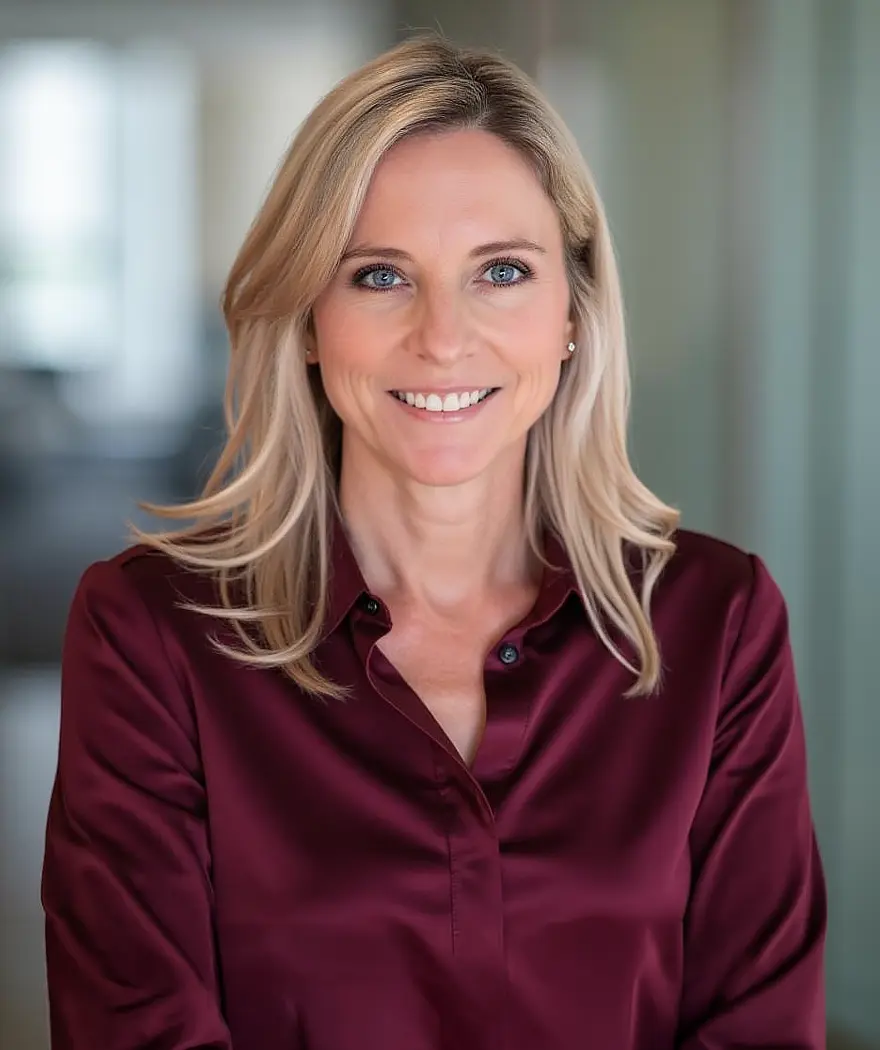
"I do think that the consumer is going to start to feel some real purchasing power degradation going forward here. And on the bond market, I was here in June or July saying we were going to five," said Elizabeth Burton, Fortress’s Chief Strategist, on CNBC's Fast Money. "I still think you could see fair value on bonds at closer to 6%," she continued, referring to 10-year Treasuries.
Watch the Fast Money segment where Elizabeth shared her views on inflation, the Fed, and the strength of the US economy.
Transcript
Melissa Lee, CNBC
So, if rates keep rising, is there even more pain to come for the consumer? And by the way, we just saw this cross, the 30-year fixed mortgage hitting 7.58%, which is the highest level since November 13th of 2023. So, another way in which a consumer sees some more pressure, Elizabeth.
Elizabeth Burton
Yeah, I do think that the consumer is going to start to feel some real purchasing power degradation going forward here. And on the bond market, I was here in June or July saying we were going to five, and I got so much flak for that. We're there. Maybe we're in a better spot, but I still think you could see fair value on bonds at closer to 6% on the 10-year specifically. So, I don't know that all that pain is gone. I don't tend to care that much about consumer sentiment survey. I don't put a lot of stakes in it. But I do think there's some tail risk here for the administration, that if you're getting these super negative consumer sentiments, you've got higher yields. Does that not put more pressure on Warsh, at least from the White House, like we've got to do something here, this isn't moving in the right direction. But the interesting thing about this move in yields is that if you think about the MOVE index, the bond market volatility index, it was a nothing burger basically from March until last week when it went up like 30% and hit highs that we hadn't seen since Liberation Day. So, I think things are finally starting to wake up. But most of the yield move lately has really been a real yield move.
Melissa Lee, CNBC
Some people would say that this is all because we have a great economy.
Elizabeth Burton
Yeah, one person would say that, or two people would say that.
Melissa Lee, CNBC
No, I think a lot of economists would say that with what we're seeing, we're seeing people still have their jobs. They're still spending. The numbers are holding up. We've got a great stock market. We've got earnings growth.
Elizabeth Burton
Look, we do have a strong economy. I think, you know, there's a couple of things behind that and Warsh said it himself. We've got pretty loose financial conditions other than yields. We've got an equity market close to all-time highs. We've got a weak dollar. So, we've got loose financial conditions. Things do look okay, but it's precarious and it's resting on a handful of things. So, on the labor question, I've been a contrarian there a little bit, but I don't actually think the labor market is as strong as everybody is saying. It reminds me of a time a decade ago when they were saying everything's fine, everything's fine, everything's fine, everything's not fine. And I also don't think that we've done a really good job of estimating labor post-COVID, post-immigration policy. So, I think you might see that change going forward. And you have to remember that on a wage basis, people are starting to finally see that pinch in their paycheck versus inflation. And you get to the point where, you know, I had a conversation with my husband, “Who's staying home now, if it doesn't make sense to send the kids to daycare?” So, I think you might see those conversations pop back up.
Steve Grasso, CNBC
If the labor market isn't as strong as we think it is, then there's really no reason to push for rates to be higher than where they're at now. I think for better or worse and probably better, the Fed has taken a backseat on this last, maybe the last week or so. We've seen real rates rise, but breakevens, 10-year breakevens, five-year breakevens really haven't moved at all. So, this is not a longer-dated inflation worry. This is a now inflation worry. So, I saw that pocket between 5.05% and 5.30% in the 10-year. There's probably another pocket to 5.55%. And then we get to that 6% range.
Elizabeth Burton
I think you could see the pop higher if they don't hike. I know that there's a lot of people who are strategists who are saying that there's not going to be a hike in October. I don't put any stake in that. You look back 27 past elections, 33% of the time there was an action. So that's nine, yes, six were cuts. That tends to be more popular than a hike, but it still happens. And we had it happen in 2022. We had action happen there, so it could happen. But I think it's a mistake. I do think we have an underlying inflation problem. And I don't think that it's just two wars going on. I don't think it's just a pure energy crisis. What I will say about the energy part of that Fed decision is they always say we're going to look through these temporary blips. Well, now it's not temporary. I found out at work the other day that diaper raw material costs, something that a lot of people in America buy, 65% of that has oil-related components that are rising that cost. So, it's going to start to hit parts that aren't immediately obvious, and they're going to have to do something about that. And Warsh himself, let's take the metric he uses, he wants to see that the percentage of components in PCE are declining, not rising, and they're still elevated. They're 60-something percent, according to his numbers.
Melissa Lee, CNBC
So, what you're painting in terms of the picture of the economy and thinking about that 6% on the 10-year yield, what happens to stocks? Where should stocks be?
Elizabeth Burton
So, I think credit investors tend to be doom and gloom. I think stocks are OK. I think it depends on this – you said this earlier today. I even think it depends on the speed. It depends on the velocity. And Ed Yardeni was on earlier this week, and I agree with him. If you get to a place where yields are higher than nominal GDP, then you run into a problem, because then if it's too low, you're funding zombie companies. If you get too high, good projects aren't getting funded. I think stocks can continue to go from here. They've shown resilient earnings. We're not at problem levels yet. Go to 6%, lickety-split, that could be a problem.
Melissa Lee, CNBC
At a time when financials are down about 7%, or 6%-plus in the past month. Elizabeth, do you like financials here?
Elizabeth Burton
Yeah, I think some financials are in a baby-with-the-bathwater moment here. There's a couple I won't name specifically, but they operate more like tech companies. So, I'm not really sure why they're getting beaten up so much, but I think there certainly are problems given the yield curve with some of these regional banks.
Melissa Lee, CNBC
Yeah.