What do AI-driven capital raises and rising money supply mean for investors?
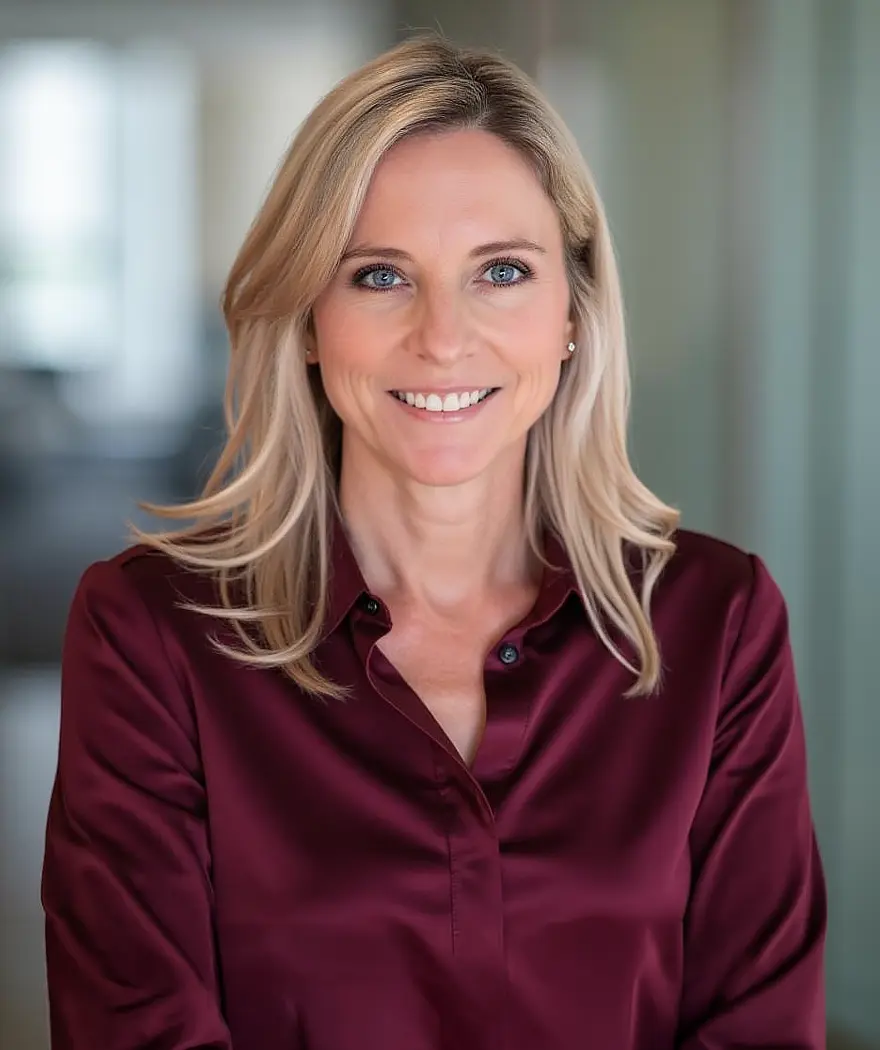
Fortress Chief Investment Strategist Elizabeth Burton joined Carl Quintanilla on CNBC Overtime to break down the recent headlines.
Key takeaways from Elizabeth’s conversation:
- AI capital raises – issuers will need to show returns on capex; the volume of AI-driven supply is impacting the broader markets
- Inflation watch – money supply growing at a 7% annualized rate over the past three months is a set-up for potentially higher inflation by year end
- Positioning ideas – hedge against higher rates with floating-rate credit, infrastructure; and find durable thematic ideas like defense tech
- Private credit – a big bucket with room to play both defense (senior secured, first lien) and, if the cycle turns, offense (distressed, special situations)
Transcript
Carl Quintanilla, CNBC
Joining us here is Elizabeth Burton. She's the chief strategist at Fortress Investment Group. It is great to have you on set Elizabeth. Welcome.
Elizabeth Burton, Fortress Investment Group
Thank for having me.
Carl Quintanilla, CNBC
Let's start there first on the AI stuff. I mean, equity issuance, debt issuance, and not just here, it's all around the world.
Elizabeth Burton, Fortress Investment Group
Sure.
Carl Quintanilla, CNBC
How do you think what is it saying about the cycle, the moment in the cycle that we're in?
Elizabeth Burton, Fortress Investment Group
Well, for one, I think there's some good parts to it and some concerning parts about it. The good part is people are saying in the AI story, go big or go home. I think we'll figure out who doesn't have a home, you know, shortly if we don't get the monetization out of this AI deal. I also think, you know, debt issuance in general, you're getting more opportunities to be more selective in what you want to invest in. So there's the good part of that. The challenge might be the amount of supply across, you know, fixed income markets in general that investors are being asked to absorb around the world and what changes might take place there.
Carl Quintanilla, CNBC
You're talking treasuries, corporates, everything?
Elizabeth Burton, Fortress Investment Group
Yeah. Everything. And, like, who's playing in those markets? You know, the auctions this week look pretty good, bid to cover, like, pretty benign. But going forward, especially, you know, if things materialize in Japan with rates, you're gonna see additional pressure there. And investors are also gonna have to think, well, am I am I gonna be participating in this treasury market or am I thinking about these, you know, investment grade issues that are coming out? And you might see additional competition there.
Carl Quintanilla, CNBC
Right. Is there, do you believe the story about sort of Japanese repatriation that a lot of money that's been visiting here as tourist dollars would go home once rates got to a certain point?
Elizabeth Burton, Fortress Investment Group
Well, I mean, not at this level. Right? I think you'd have to see materially higher rates on that side by a couple points maybe. But that could happen. And I don't think that that's something that people are really paying attention to. You know, what's interesting is actually, I think people were paying attention to different things even in the past month. I was at a conference the last two days, and I really didn't hear a lot of mentions of troubles in BDCs. Two months ago, I was not hearing as much about AI. Now it tends to be pivoting back, so who knows what where the winds might flow next.
Carl Quintanilla, CNBC
We got a hot PPI number today, and I know you have been vigilant on the inflation watch in part because of how much money is kinda moving through the pipes at the moment. Can you talk about that?
Elizabeth Burton, Fortress Investment Group
There is a lot of money moving through the pipes that people aren't really watching. So what I've been focusing on is the money supply, M2 specifically, and I'm gonna do some fun math here, but it at the last three months, it's growing at a seven percent annualized rate. That in and of itself could be indicative of increasing inflation possibilities, but combine it with the increase in the velocity of money of that M2, and it's coming off the lows that we saw in COVID, but it's increased at a twenty five percent pace over the last five years. It's still below the long run average of one point nine. It's around one point four. But if we get continued increase in the velocity plus the increase in the money supply, those will be, you know, more dollars chasing more goods in the system. And that in a vacuum, maybe not concerning. Iran's a 2026, but maybe the money supply is a 2027 and beyond issue, combined with other factors. And, you know, we are mentioning PPI today, but even the manufacturing prints last month, we saw additional concern around rising costs in the servicing sector in in manufacturing. So there's you know, you pick your strategist, they're gonna pick what they're watching. But it looks like to me that you can see materially higher inflation at the end of the year and higher rates.
Carl Quintanilla, CNBC
Right. Yeah. And that explains I mean, the super core got a good look today, which is not the war, it's not food, it's not energy, it's not trade, and it's still been ticking higher month after month. So where do you think the opportunities are gonna be going into '27?
Elizabeth Burton, Fortress Investment Group
I I think there's a couple I I think there's opportunities in across multiple markets. So on the equity side, defense tech looks pretty interesting, and and I'd be seeing what I could do there. I don't think that's an idea that's gonna slow down anytime soon. On the other side of the coin, I would be positioning my portfolio for higher rates. I could be wrong on that, but that's a risk in a portfolio I wouldn't wanna take. So I'd also be thinking about things that might be a good inflation hedge. So infrastructure, gold, which I know has been kind of a mixed story.
Carl Quintanilla, CNBC
Yeah. We're still sort of trying to figure out what tactically is going on there.
Elizabeth Burton, Fortress Investment Group
Right. And I'd be remiss in not saying floating rate credit. I there's been it's been really hot around allocators lately talking about asset-based credit. You know, you got shorter duration cash flows that turn over there, reset higher with rates. But in general, investments tied to floating rate, I would be more constructive in even in shorter duration in the public markets than I would be.
Carl Quintanilla, CNBC
So some of the private credit credit jitters that have now become a bit infamous, you think that might actually revert?
Elizabeth Burton, Fortress Investment Group
I think some parts of the private private credit spectrum might cycle. Right? Might see an issue. Right. And I think we're seeing that, and I think there will be potentially a couple more sectors that start experiencing that pain, potentially health care. But I think that overall private credit is a really big bucket, there's lots to do in there. Specialty finance still looks interesting. There's parts of private credit that are, that can be more uncorrelated than others. I think we're also in a position where you can get defensive and think senior secured, first lien, you know, no PIK at origination, those sorts of structures. But then you can think, alright, if the shoe does drop and we do get a cycle, I wanna set up for that too.
Carl Quintanilla, CNBC
Meaning distressed special situations, things like that. Yep. That's that could get interesting, yeah, as we work our way into '27. It's so good having you on set. Thanks for coming in.
Elizabeth Burton, Fortress Investment Group
Thanks for having me.
Carl Quintanilla, CNBC
Have a great weekend. Elizabeth Burton.